

Andy Sachs Is Right: “Journalism Still F*cking Matters”
By: Aneesha Mahapatra
After all the negative commentary around The Devil Wears Prada 2, I finally had time to go watch the movie. I did not understand what all the fuss was about because I thought the film was pretty well-done and had a great ending to the original.
While spectators say it did not live up to the standards, I definitely have to disagree with those opinions. The second movie started with Andy and fellow journalists getting fired from their publication, “The Vanguard” at an awards ceremony. When Andy finds out this happens, she is actually winning an award herself. She uses her speech to defend journalism and pushes back against the idea that real stories and reporting should be treated as replaceable or disposable ideas just to satisfy advertisers, trends, corporate pressure, and more.
What I liked most was that the movie did not only focus on fashion, but also showed how journalism and publishing have become today. A lot of newspapers, magazines, and media companies are shutting down or laying off workers because people now consume news through short videos, social media posts, and AI-generated content instead of traditional articles.
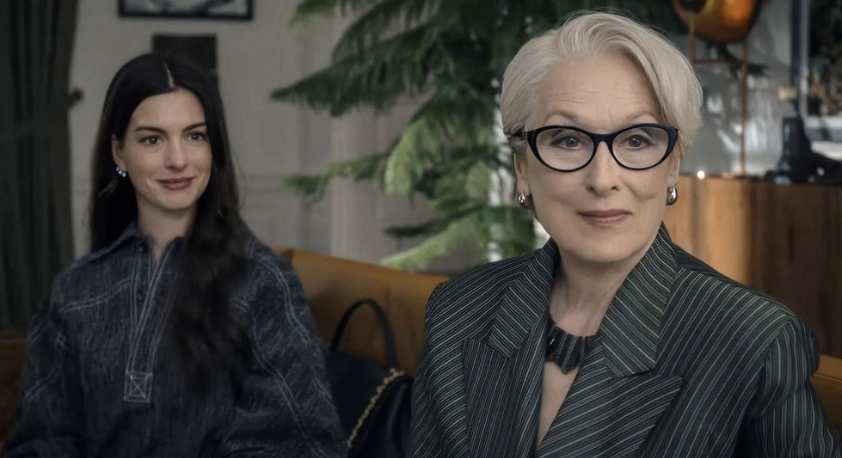
The film reflected real situations that many writers and journalists are currently dealing with, where companies care more about the clicks, engagement, and quick content than actual authentic and quality stories.
Even Miranda Priestly, who once seemed untouchable and mostly in control of Runway and the workers around her, is forced to realize that the industry around her is changing faster than she expected.
The original movie focused more on the glamour and influence of the fashion magazine world along with the struggles of keeping up with how much work goes into it whether you’re an assistant or journalist, which made sense at the time because print publications still held so much power in culture and media.
In reality now, print magazines are struggling. Audiences are engaging more online because news, AI content, and trends appear and disappear overnight through social media. That shift made the movie feel more relevant because it touched on issues that are actually happening in the media landscape today.
As a writer myself, I can agree that the film still had plenty of unrealistic moments and impossible standards that would probably annoy many real life writers. However, the movie still carried an important message, which is that journalism, creativity, and human achievement matter most of all, and AI could never replace that.
Even as media continues to evolve rapidly, editorial integrity and genuine storytelling are what keeps it alive.