

Is a Personal Color Analysis Really All That TikTok Says? I Decided to Find Out.
By: Jools Dembo
For over a year, my social media feeds have been flooded with people giving tips on how to look like the best version of yourself. Dress like your Venus sign. Do your makeup according to your birth year. Analyze your features first and figure out if you’re “Deer Pretty” or “Bunny Pretty.” It’s overwhelming, the amount of hacks and tips for how to look your best. But with all of this “lookmaxing” content, there is one method that has always intrigued me the most. Seasonal color analysis.
I followed the steps that I saw online. I have dark hair and i’m pale which makes me “high contrast.” My veins are blue so that means I have cool undertones… right? But my dark brown hair leans warm, evident especially in the summer when my red highlights come out (shoutout to my mom for this, I love my red highlights). Am I a deep winter? I wear a lot of black but why does black make me look so pale? And wait, this brown top looks great on me. Am I an autumn?
After months of trying to solve the mystery myself, I decided that it was time to see a professional. After looking into various color consultants around New York City, I made an appointment at Seklab, a Korean Color and Body analysis studio in the Garment District.
I met my consultant, Yuri, and immediately knew I was in excellent hands. She made me feel comfortable and gave me the space to ask any questions that I had.
The first step in the process was filling out an intake form which asked questions about my personal color and style preferences and why I wanted a color analysis. Yuri then used a skin digitizer to scan the brightness and undertones of my skin.
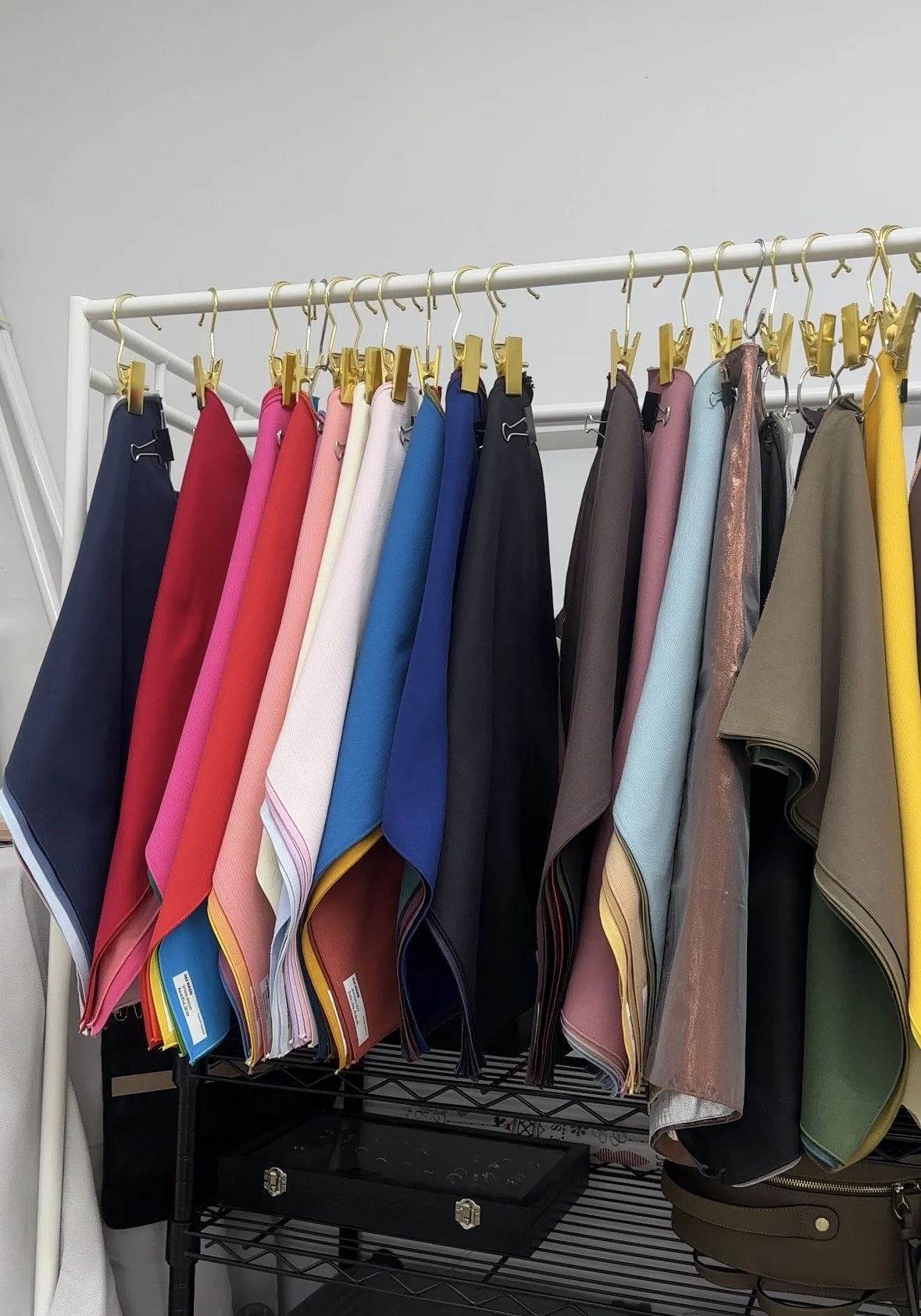
Most of the session was filled by the draping process. During this, Yuri took different seasonal color palette drapes and took an in depth look at how they looked against my skin. I have seen a multitude of videos where people have this process done and I have to admit that I’m not good at seeing the difference in when something is in versus against someone’s palette. I was worried that I wouldn’t be able to notice any difference on me but as Yuri started to explain why certain colors worked or didn’t work, it was like my eyes were opened.
She did an excellent job of not only saying which were my best colors, but why they were my best. With each drape, Yuri described how they reflected on my face, if they made my skin look smoother, and if they highlighted or diminished my features. After going through a few seasonal palettes, I had my definitive answer - I am a deep autumn.
After the draping, we also went through various hair colors that would work for me, and I even got to sample various lipsticks and blushes. I loved that not only did Yuri tell me what shades to use, but I got to test them out. She also swatched each product that I loved onto a sheet of paper with the brand name and color written down.
What I appreciated the most about my experience was how tailored it was to my preferences. As it just so happens, I tend to wear dark colors in my palette anyway. Browns, dark greens, and maroons. But I was never explicitly told that I had to wear these colors. I asked about what colors I should wear in the spring and summer when I do want to go for a lighter palette. Yuri walked me through how I can tailor the colors that are best on me for these seasons. For example, if I want to wear pink, I can absolutely wear pink! But I should go more towards terracotta and blush tones instead of a hot Barbie pink.
When I left the studio, I felt confident and empowered. To some, it may sound silly to say that figuring out my color palette really helped me to embrace myself but it’s true. In the past weeks since my analysis, I have felt a difference in the way I carry myself when I wear the colors that enhance my natural features. If you have ever considered getting a color analysis done, I couldn’t recommend Seklab more.
Book your own appointment here.