My Perspective on Glinda “The Good”
By: Aneesha Mahapatra
Glinda the Good from Wicked is the perfect example of how “nice” and “good” are not the same thing. She is charming, popular, and bubbly, however none of those qualities make her morally grounded. At her core, Glinda is a character built on conflicting qualities: Loved by everyone but deeply flawed in ways that expose how goodness can be more performative than honest.
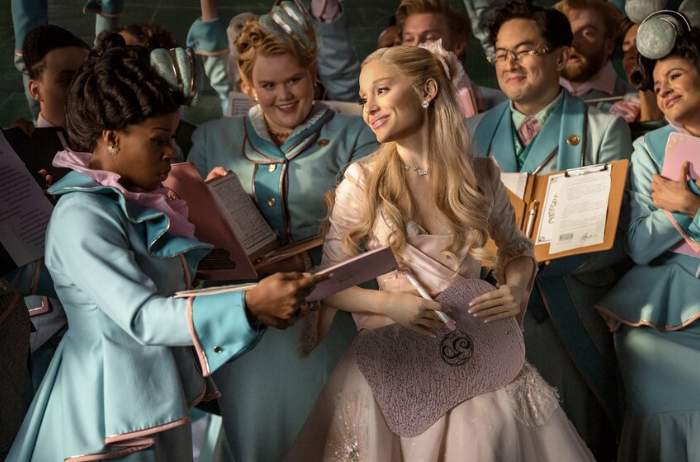
From the start, Glinda is genuinely nice. She’s friendly, funny, socially graceful, and well-intentioned (other than being a raging bully to Elphaba in the first half of Wicked). But being likable is not the same as being ethical. Her niceness often acts as a shield both for others and for herself. It hides the fact that she makes choices driven not by morality but by ambition and the desire to maintain her golden status. Her “goodness” is more about how she is presented in front of others rather than what’s inside. She is a person who cares more about what others approve of than what she truly believes.
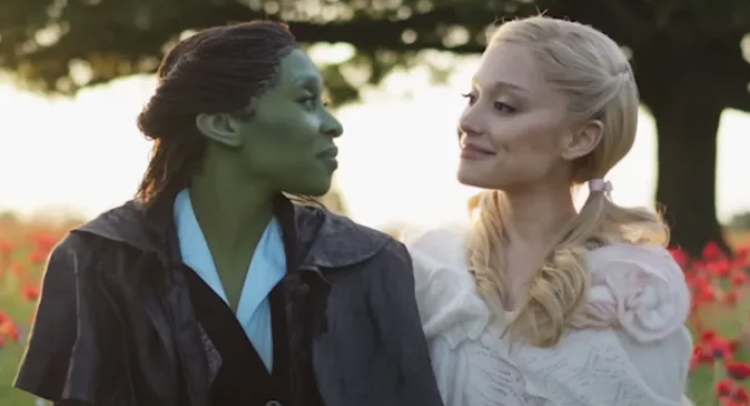
Glinda’s relationship with Elphaba shows this clearly. She definitely cares about her, and loves her, but ultimately lacks actually looking into what’s disturbing her “best friend” and defending her when all of Oz was against Elphie. At the end of Wicked, she chose the path of attention and popularity, which is a part of her dream life, rather than standing with Elphaba and the animals. There’s nothing wrong with ambition, however when it disrupts moral values, maybe it’s time to start taking a look at the deeper picture.
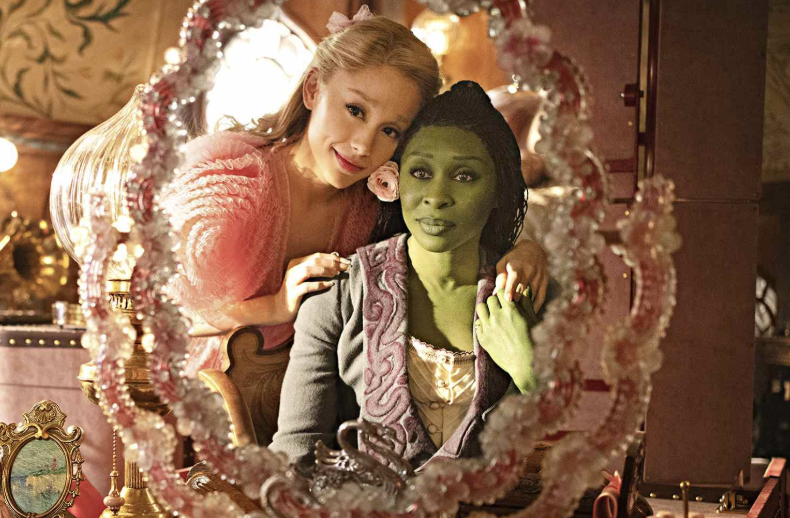
When she had to pick between her friend and the system that protects her, she chose the system. This is where her “goodness” becomes wicked, not because she means to hurt anyone, but because she lets harm continue as long as she doesn’t have to sacrifice anything.
One of Glinda’s biggest flaws is how badly she wants to believe everything is fine. She turns a blind eye to the corruption in Oz, ignores Elphaba’s warnings, and holds onto the fantasy that the world is exactly how she wants it. It’s the kind of everyday denial that doesn’t look bad at first, but still lets harm grow. Her privilege makes her think her ignorance is innocent, even when she’s actually complicit.
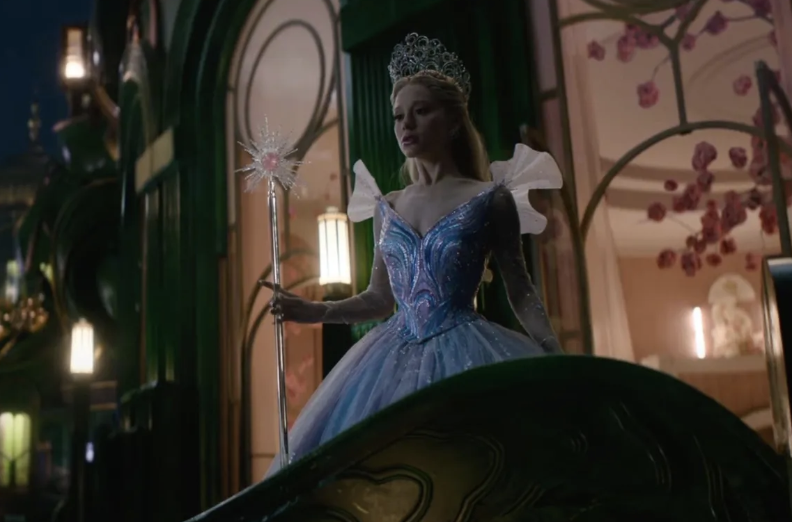
She does have a character development in the last 30 minutes of Wicked For Good, which ends up being the emotional peak of her story. She finally faces the results of her choices and admits she was wrong. But even though this moment is powerful, it’s too late as you know what happens and she has to live with the consequences of her actions. Her growth is real, but it doesn’t fix what already happened. Still, it shows something very human which is understanding your mistakes and taking responsibility to do good. Better late than never.
Glinda represents the kind of person who wants to be well-liked, socially accepted, and on the right side of things, but ignores anything that might ruin her comfort. In real life, this mirrors people who, protected by privilege, overlook systemic harm because admitting it would threaten their own ease or status.
A real-life example is people who voted for Donald Trump due to their own privilege and not realizing how actions could hurt others. As one can see, many people regretted their choice after seeing how certain policies hurt marginalized groups and affected social norms. Their realization mirrors Glinda’s- understanding too late that staying passive isn’t neutral, it’s taking a side.
In no way is Glinda evil, but she is “wicked”. She is the girl who means well but tone-deaf friend, the privileged bystander, the person whose desire to fit in blinds them to the pain of others. Her journey reflects the uncomfortable truth that many people must face. Being good isn’t about your intentions or how likable you are, it’s about the choices you make when things get hard and real. It takes awareness, courage, and the willingness to face the world as it really is, not as you want it to be, which may be scary to some people, but overall it’s the first step toward becoming good.
So yes, it’s true that she is the girl who thinks of herself first, and she’s also a girl who turned a blind eye to the corrupt government. Glinda is also someone who is caring and relatable to many human beings in real-life, and doesn’t realize when she’s hurt someone. She’s someone who isn’t brave enough to stand up for what’s right, because she doesn’t want to be inconvenienced by it. She’s someone who finds the good in things, but doesn’t make any changes if it won’t benefit her. While not good traits to have, she is also someone who grows and becomes someone she aspired to be for all of Oz and for Elphaba by the end of the second movie. She is someone who thrives in fame, magic, and success, but someone who deep down sorrows in pain easily but can’t resist the love she receives, which makes her character have a lot of depth.
I’ll always have a special place in my heart for Glinda because she truly does want to look at things in a brighter lens, but she’ll also be the type of person I avoid in reality because she couldn’t face issues until she really noticed what was happening even though it was right in front of her eyes the entire time. I do believe she is a very complex character which makes her difficult to hate but also hard to truly love. And I also believe that Elphaba brought out the kinder side within her when she showed Glinda real-world problems that affected the minority groups of Oz. She’s the type of character that not everyone can see through because they can’t understand her. If you’ve dealt with a Glinda type of friend, then it’s easier to dissect her personality.